
English edition
Night Reset
From the fog of the first night to the understandable, measurable, actionable journey of repair.
Full text machine-translated from Chinese.
Publication of materials and major statements
Book name: Night Restart: From the fog of the first night to the understandable, measurable, actionable journey of repair
: Kat Lai
This book is for sleep health education, self-awareness, and general wellbeing. It does not provide diagnosis, treatment, prescriptions, or individualized medical advice. Heart rate, heart rate variability, breathing rate, blood oxygen, sleep stages, stress, and recovery figures from wearables, mattress sensors, or associated reports are estimates or trends based on specific data and algorithms. They are not equivalent to clinical polysomnography.
If you are suffering from a severe daily addiction, suspension of breathing or asphyxiation, respiratory difficulties, chest insatibilities, repeated abnormal haematological oxygen, prolonged insomnia or apparent emotional distress, please consult qualified medical professionals; acute or severe symptoms should be dealt with under emergency medical arrangements at the place where they are located.
Aromapod Pro, Sleep Guard, and Recharge Pod illustrate a non-medical, measurable approach to five-sense wellbeing. Their mention offers no guarantee of therapeutic effectiveness.
Next section · Author OrderAuthor Order

At night, I finally know how to answer us.
I've been doing aromatic therapy for 30 years, and I've seen a lot of people living hard during the day, and a lot of people still being unable to leave the day at night.
The light went out, the head didn't go out; the body lay down, and the responsibility remained at the side of the bed. Someone put the phone next to the pillow, waiting for the last message. Some people looked at the sleep scores on the watch, and they wanted to sleep better, and they couldn't sleep. Some people told themselves, "I must sleep well enough tonight." As a result, sleep changed from a gift to another examination.
I was involved in The Aesthetics of Sleep, thinking about how people ended the day with grace. The book talks about space, rituals, lay down, rhythms, and mornings to make sleep become a living attitude again. But, when we started to put Aromapod Pro, Sleep Guard and Recharge Pod into real life, I saw another question: people want to know not only how to sleep, but also what what happened last night, what the numbers represent, what I can do next.
So Night Restart was born.
It is not another name for Sleep Aesthetics, nor is it a product that describes sleep technology as a panacea. It is going to go another way: starting with the first night, with one person, from seeing to understanding; from understanding to experiment; from experience to personal trends seven nights and 14 nights; and, finally, turning the report into an action that can be done.
We designed a sentence for sleep with Recharge Report: "Your night is not just a fraction."
Because one person is never just a number. You can sleep for seven hours, you can wake up tired, or you can sleep too short to take care of your family, but you feel it makes sense. The device sees the sleep phase of heart rate, breathing, activity and estimation; only you know the recent stress, loss, pain, room temperature, pace of work, and the moment you wake up.
So we don't rush to give you a total score for the first night. The first night is just a prelude. On the seventh night, we start to know your normality; on the fourteenth night, the information becomes a trend; after a 20- to 30-minute relaxing experience, we can see the change, but we don't call it a cure, and we don't think that a fall curve will work forever.
This is my constant understanding of "magics": methods and techniques. Methods are respectful of human rhythms; technologies are honest measurements, clear explanations, constant modifications. Real magic, not devices to sleep for you, but it helps you to see yourself earlier, allowing you to have an extra choice next night.
Read the book, and do not fear your sleep data, and do not judge the night with a fraction. And learn to read signals, to protect your sleep, to accept fluctuations, and to bring back to life the wisdom left behind by night in every morning.
Lai Jinyeon, Kat Lai.
Next section · StudyingStudying
It's not a book that teaches you to pursue perfect sleep.
The weather, stress, disease, hormones, pain, alcohol, caffeine, sports, caring responsibilities, travel and the environment change at night. A truly healthy sleep is not exactly the same every night, but rather sufficient time in the long term, relatively stable rhythms, reasonable continuity, and the spirit of life after waking up.
The book follows the five-tiered structure of the Five Happiness Series:
Story, Story.: What's my story at night?
Awareness.: How do data, feelings and life settings fit together?
Science: Where does sleep research support and the power of the device?
Experience: How can you build your own transition ceremony with five senses and measurable experience?
Action Action: What is the next step after the first night, the seventh night, the fourteenth night?
The closed ring of night reboot.
The main line of practice of this book is a five-step cycle:
Measure, personalise, restore, re-measure, and optimise
It's not an upward curve. The real closed circle allows for unchanging, brief retreats and inadequate information. When there is not enough, we write "insufficiently"; when there is no clinical qualification, we do not diagnose; and when there is no research support, we do not promise a fixed percentage.
The data are the starting point, the story is the bridge, and action is the destination.
First story: The first night was just the beginning.
Next section · Chapter 1 · The first night in a fogChapter 1 · The first night in a fog
Story: One night in hand.

Imagine you wake up in the morning, and your phone is ready for a sleep report. The screen contains total sleep time, sleep efficiency, deep sleep, REM, heart rate, breathing, blood oxygen and a large score. Your first reaction may not be curious, but nervous: "Did I sleep badly last night?"

But one night's information is like a single word. It's true, but it's not enough to represent the whole person. You may have been drunk last night, you turned your room, you're having a cold, you're arguing with your family, or you're just wearing it unstablely. If the system immediately says you're not feeling well, it doesn't know you, it's just taking advantage of your anxiety.
We named our first sleep handprint "The First Night, Only the Precinct." Some images were covered by fog and some were locked up for a while. This was not an excuse, but an ethical decision: there was not enough night for us to read you, nor pretend to predict you.
Perception: What can you tell me on the first night?
The first night is still valuable. It gives you four basic entrances: estimates of sleep time, sleep efficiency, wake-up experience, data integrity. It also reminds you of what you did before you went to sleep, whether you were clearly ill at night, and how you feel today.
But the first night should not take three things: a diagnosis for you, a decision for you to be healthy, and a vision for the future.
Science: Night and night are different.
Consumer-grade devices are also affected by sensory location, algorithms, and individual differences. Studies show that many of them have the ability to identify "sleep or awake" but still differ in the classification of different stages of sleep.
Experience: Four questions for the first night
When you wake up, don't look at the scores, and say, "How long do I think I've slept?" What are the mentals from 0 to 10? What's the most obvious feeling in the body? What's different from normal last night?
Action
Just one low-risk action for the first night, such as fixing the time to get up tomorrow. Don't change coffee, sports, bedding, supplements and aroma at the same time with one night's scores; too much change, but not what really works.
Next section · Chapter 2 · When the night continues the dayChapter 2 · When the night continues the day
Story: Still working after the lights go off.
It's easy for an entrepreneur to see the night as the last available time. Handle teams, clients, money and products during the day; finally quiet in the night, trying to make up for the unfinished business. I've been through this life: I'm tired, I'm still trying to design the next experience, the next product, the next message that has to be answered.

Instead of being unaware of the importance of sleep, modern people do not leave enough boundaries during the day to keep the rest of the work, entertainment, and private time at night. It is not simply a matter of will, it is also a matter of the structure of life.
You can't sleep, you can't sleep.

"Don't want to go to bed" is two different things. The former may have to do with retaliatory nights, work borders, or lack of private time; the latter may have to do with physical rhythms, excessive awakening, insomnia, pain, breathing problems, or other health factors.
Science: sleep stress and sobering signals
The longer you wake up, the pressure of sleep tends to accumulate; at the same time, the day and night rhythm system adjusts it to light and time. Tired does not necessarily mean that it is easy to sleep now. The light, the work stimulation, the anxiety or the irregularity of the evening still signals a sobering signal, the body is tired, and the brain is awake.
Experience: Find your night entrance.
Three nights in a row, "Stop working" "Close main screen time" "Sleep time" "Estimate sleep time" is recorded. If you stop working and go to bed for only a few minutes, you may not have any more sleep skills, but rather a transition.
Action

Leave it for at least 20 minutes before bedtime, instead of being called "ready to sleep" and "leave the day." This period does not require immediate relaxation, but rather no new jobs.
Chapter 3 · Why I began measuring the night
Story: From incense to signal.
When I first came to aromatic therapy, what I valued was feelings. The guests told me that some kind of aroma reassured him, and some rituals made it easier for him to stop. These subjective experiences were valuable, but I began to ask, "Can I see the process?"
This question brought me to Aromapod Pro, Sleep Guard and Recharge Pod. The aroma, sound, light and space are no longer just set up, but are designed, documented and improved. Sleep Guard collects signals in the sleep environment; Aromapod Pro puts personalized incense into the pre-sleep ritual; Recharge Pod puts 20 to 30 minutes of five senses into the closed circle of "pretest, experience, post-test."
But the more measures are measured, the greater the responsibility. Data can stabilize one person, or scare one; it can help talk, or it can become a marketing pressure. So we have three principles for reporting: no fiction, no labelling, no health interpretation, and no product promotion.
Perception: What do you want with the data for you?
Do you want to use data to discover patterns, build habits, communicate with professionals, or to prove that you "sleep well enough"? The first three uses increase choices; the last one may turn the score into pressure.
Science: Measuring changes the behavior measured.
Self-monitoring can increase detection, but over-focus can also lead to sleep anxiety. Researchers use the orthosomnia to describe people seeking perfect sleep data, which increases insomnia or insomnia. It is not an official diagnosis, but an important reminder: reporting should make people more free, not more afraid.
Experience

The sleep notice is suspended for three days, and the information is checked only at a fixed morning time. Make sure that you do not have a double check during the day, and that the pressure to sleep for fractions is reduced during the night.
Action
And set forth a sentence for your data: "I will use it, and I will not use it." For example: "I will see with it seven nights, and I will not judge whether today is a happy day."
Next section · Chapter 4 · A twenty-minute experienceChapter 4 · A twenty-minute experience
Story: From tight to quieter.
Recharge Report is the most attractive part of the experience, which is the beginning, the middle and the end of the experience, where the heart rate, breathing and subjective stress are recorded in the first five minutes, and the last five minutes after 20 to 30 minutes of the five senses journey, and asks, "How do you feel now?"
In the model report, the heart rate went from 83 to 70 per minute, the breathing rate went from 20 to 18 per minute, subjective stress went from 68 to 54, calm went from 2 to 4. These were prototype models, not product effects, and could not be extended to other people. Their use was simply to show how the report could describe an experience.
Perceptions: The curve does not fall, and it does not mean failure.
If you're relaxed before the experience, your heart rate may not drop again; if you have a cold, have a cup of coffee or are worried about it, the curve may fluctuate. The body is not a machine that has to export the same result when you press the key.
Science: A limited number of questions that can be answered back and forth
A single comparison describes the changes that have taken place “at this time and during this period,” but does not alone prove that the intervention caused the changes, nor does it prove the long-term effects. To present a fixed percentage improvement, it requires pre-design studies, sufficient samples, a suitable comparison group, clear endpoints and statistical analysis.
Experience
Any experience records both objective signals and subjective feelings. If the numbers drop, but you feel uncomfortable, first of all, feeling and security; if the numbers do not change, but you feel better to breathe and to stop, this is the information that needs to be preserved.
Action
Write each experience into a non-exaggerous conclusion: "In this __ minute, I observe __; my subjective feeling is __; next time I want to test __."
Part Two Perception: One person, more than one number.
Next section · Chapter 5 · Reading a sleep reportChapter 5 · Reading a sleep report
Story: 90%, still tired.
One gets a 90% sleep score and says he wakes up with headaches and fatigue. The other is 70%, but he's in good spirits. Which one is true? Both are true, because the scores and the feelings answer different questions.
The overall score is usually weighted by a number of indicators according to the manufacturer's algorithm, and weights may not be made public, and may be updated with the version. If only one number is shown, it is easy for readers to forget the source, the extent of the missing and the context in which they live.
Perception: Four things first.
Read any fraction before looking at the original source, the information window, the integrity of the information and the algorithm version. See how you wake up. Without these five, the score is just a beautiful but unverifiable answer.
Science: Subjectivity and device need not be completely consistent
Recent systematic reviews show that the sleep indicators of commercial wears tend to be at the same level as the subjective quality of sleep, which is weak to moderate, and may be more inconsistent in the case of insomnia, elders, or clinical communities. The devices are good at providing some physical and behavioural estimates, but do not read "Do I feel repaired?"
Experience: Double-bar morning log
The left column starts with feelings: mental, emotional, physical and memory; the right column with three more devices. The last one is: "What's the biggest difference between the two columns?" In seven days, you get a personal model that is more useful than a single-day score.
Action
If the score is in conflict with the feeling, you do not have to choose sides. First, check the quality of the device and the information, and see if there are any disease, medication, emotional or environmental factors.
Next section · Chapter 6 · The night in four actsChapter 6 · The night in four acts
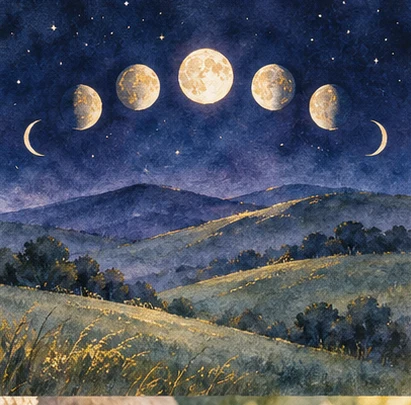
Story: soberness is not a failure.
The sleep report often paints the night in four colours: soberness, sleep, sleep, and REM. Readers see a few short awakenings, easily believing that the night has been destroyed. In fact, it is not uncommon for people to wake up briefly between sleep cycles, many of which they do not remember the next day.
Perception: Don't pursue the perfect ratio.
The more you sleep, the less you sleep, the less you have to reach a certain percentage of the Internet. Age, the time you sleep, the last night you sleep, alcohol, disease, and device algorithms affect the estimates. The percentages in the single late stages are not suitable to be used to judge health.
Science: How does the real sleep break go?
Clinical sleep breaks combine brain power, eye motion, and muscle activity. NIH shows that sleep is cycling between two stages: non-fast eye motion and fast eye movement, with a cycle of approximately 80 to 100 minutes, and about four to six cycles a night; sleep is usually more frequent in the first half of the night and REM increases in the second half of the night.
Experience: reading the chart into a story
Don't ask, "Do I have a perfect cycle" and ask, "When am I supposed to be asleep? Have I been awake for a long time at night? Have I woke up earlier in the morning? Do these changes match my feelings?"
Action
The only way to compare trends is by the same device, the same way of wearing it, and enough at night. Do not put the two brands' sleeping minutes directly together to win and lose.
Next section · Chapter 7 · The heart as drummer, the breath as tideChapter 7 · The heart as drummer, the breath as tide

Story: Seeing the moment of blood oxygen drops
Blood oxygen, heart rate, HRV and breathing rate are easily stressful because they look like medical data. Readers see a low point, and may immediately think of the worst. But a single low reading can come from sleeping positions, finger or skin temperature, circulation, movement, sensory contact and device limitations.
Perceptions: Look at trends, then symptoms.
The sleeping heart rate is below its own immediate benchmark, which may sometimes match a more relaxed night; HRV is above the recent benchmark, and may reflect a different state of self-regulation. However, HRV is affected by age, breathing, position, alcohol, disease, training load, and measurement methods, and cannot be translated into a generic "pressure value."
Science: Blood Oxygen and Device Restrictions
According to the US FDA, pulse blood oxygen can be used to estimate blood oxygen, but accuracy may be influenced by cycling, skin colour, skin thickness, skin temperature, smoking, nail polish and other factors. Some general health products are used for clinical decision-making without review. The figures must be understood in conjunction with symptoms, duration, repetition patterns and description of the device.
Experience: 7 nights personal benchmark
Seven nights are recorded in the same device, similar to where you wear it. Read only average sleep heart rate, breathing rate, and an HRV indicator, marking the background of cold, alcohol, intense exercise, travel or menstruation. Your goal is not to look for "normal" but to know "normal."
Action
Seek a professional assessment if low blood oxygen recurs, especially with snoring, witnessed pauses in breathing, choking, morning headaches, or severe daytime sleepiness. Do not rely on fragrance, sleep patches, or general wellness devices to manage a possible sleep-related breathing disorder.
Next section · Chapter 8 · Seven ways to view one nightChapter 8 · Seven ways to view one night
Story: Night is not an island.
There's only one reason why you can't sleep well. You can sleep irregularly, or you can sit long hours in the day, you can suffer pain in your neck, you can work under stress, you can take care of yourself, you can worry financially, you can get too hot in your room, or you can't have the same rhythm as your partner.
Seven angles.
Body rhythm.Sleep length, continuity, day and night time.
Self-regulating: Heart rate, HRV, breathing and relaxing signal.
♪ In the mood and the thoughts ♪: Worried, down, excited and overthought.
Behaviour and habitsCaffeine, alcohol, exercise, nap and screen.
Relations and supportFamily, work, finance, loss and companionship.
He's comfortable.Pain, mobility, bed and bedding.
Environment and meaning: the light, the sound, the temperature, the air, and "Why am I too busy to stop?"
Science: Evidence has a hierarchy
There are three different levels of self-consciousness, installed signals, and clinical diagnosis. Self-consciousness is the closest to life; devices provide estimates and trends; and clinical assessments can use standardized questionnaires, physical examinations, or multiple physical sleep tests.
Experience: a map of life
Each angle draws only one of the most relevant aspects of the day, and asks, "If only one is changed, which one is most likely to help both angles at the same time?" For example, increased activity during the day may improve physical comfort and night sleep at the same time; clearly charting the end of the job may help thinking and rhythm at the same time.
Action
Select a minimum intersection, not seven goals. Sleep changes often fail, not because people don't work, but because they deal with too much at once.
SCIENTIFIC: What can data say, what can not say?
Next section · Chapter 9 · The two forces behind sleepChapter 9 · The two forces behind sleep
Story: Tired, but not sleepy.
Some are tired all day, but at night they get up, and some are asleep at the wrong time after travelling. This is not a contradiction, but sleep stress is not in the same place as the day and night rhythm.
Perceptions: Time and state
Sleeping is not determined by "how tired today" alone, but by light, patterns, personal time patterns and inner clocks. It is even more self-responsible to attribute all problems to will; to understand two systems, it is to adjust sobering times, light, or overwhelming.
Science: sleep stress and day and night rhythm
Sleep stress accumulates with sobering time and decreases after sleeping; the day and night rhythm adjusts soberness, slumber, body temperature, and hormones in about 24 hours of cycle. The morning light is usually important time clues, while the nighttime light and irregular hours may delay sleep.
Experience: Standing up for experiments
For seven days in a row, the time of getting up is kept in a close range, when you get up, when you touch the natural light, and when you get to sleep at night. Do not lie in bed for long periods of time to be completely free from bed.
Action
If you have only one fixed time, it is easier to establish rhythms when you usually get up; shifts, carers or people with a particular disease should be dealt with on a personal basis in accordance with actual work and professional advice.
Next section · Chapter 10 · Timing, regularity and continuityChapter 10 · Timing, regularity and continuity

Story: Not just seven hours.
Both sleep seven hours, one sleeps about the same time each day, the other sleeps five hours on a working day and ten hours on a weekend. Their "average" is the same, but their rhythms are different.
Science: Seven hours is the starting point, not magic numbers.
AASM and Sleep Research Society recommended that healthy adults sleep regularly for seven hours or more per night; and that individual needs are still influenced by age, health, genes, and life. Recent studies have also focused more and more on sleep patterns. Large observation studies have found that more regular sleep times are associated with lower risk of death, but observational connections do not prove that a long life can be caused by a fixed time alone.
Perception: Your limitations are true.
Health advice that ignores living conditions becomes blameless. The goal is not perfect, but to reduce unnecessary large fluctuations to the extent feasible.
Experience: three more useful figures than average
Fourteen nights in a row: the range of changes in the rise, the median of the total sleep time, and the frequency of long awakening at night. These three points are closer to life than just looking at an average score.
Action
Do not use long weekend sleep as the only remedy for prolonged sleep deprivation.
Next section · Chapter 11 · Wearables as mapsChapter 11 · Wearables as maps
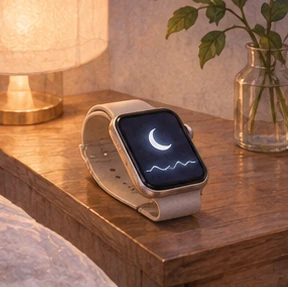
Story: Same night, two watches, two answers.
Different devices may give different periods of deep sleep the same night. This does not necessarily mean that one of them is "bad," but rather they use different sensors, signal processing, sampling methods and algorithms.
Science: accuracy varies by indicator
Validation studies in 2024 and 2025 show that some commercial devices perform well in identifying sleep and awakening, and in estimating the total sleep time, but the degree to which sleep and night awakening are consistent with individual parameters is less stable.
Perception: Four comparable to incomparable
Same device, same person, similar conditions, long-term trends: more useful.
Absolute numbers between different devices: carefully compared.
Consumer devices differ from clinical PSG:
Algorithm update: Possible breakpoints.
Experience: complete data first
Check the wear time, exposure, electricity, missing sections and devices before looking at the results. If the information is not sufficient, the most honest output is the "less information" instead of adding a extrapolation score.
Action
Keep the original source, date, device model and algorithm version. If the report is to be used for research or professional discussion in the future, these columns are more important than beautiful charts.
Next section · Chapter 12 · Heart rate, HRV and recovery scoresChapter 12 · Heart rate, HRV and recovery scores
Story: A number is given too much meaning.
HAV High is good, Low is bad, sounds simple, but ignores individual differences and measurement conditions. Athletes, elders, drug users and people with heart problems cannot use the same scale; the same person's daily measure is different from that during sleep.
Science: value of comparisons within individuals
The static state of the night can reduce some of the motion disruptions, and some wearers have good proof of the static heart rate at night and the HRV, but differences still exist between the devices. HRV can reflect changes in the pace of the heartbeat, which is related to autonomous neuroregulating, but is not a single "pressometer" or diagnosis of disease.
Perception: Recovery is not a straight line
Training, alcohol, infections, sleep deficiencies, emotions, travel and measurement errors can all change HRV. If the system displays only red low points, without providing background and uncertainty, users are easily misunderstood.
Experience: Background label
Only one or two background labels are added each night: alcohol, late dinner, intense exercise, cold, travel, and stress.
Action
Use the term "higher/lower" instead of "healthy/unhealthy" to describe HRV. Any restoration score should allow the original indicator and the quality of the data to be displayed.
Next section · Chapter 13 · Sleep, ageing and telomeresChapter 13 · Sleep, ageing and telomeres

Story: One hour less, will you really grow old?
The problem is attractive because it connects every night to a long life. But science rarely allows a simple slogan. Sleep is associated with a number of health outcomes, but it does not mean that it can measure ageing by sleeping less than one night; long sleep can also be the result of disease, not the cause.
Science: linkages, causes and limitations
In a systematic review in 2023, the overall evidence of sleep quality and end-particle length is still insufficient and not consistent with the methodology used. The more recent integration analysis found that poor sleep quality, impaired daytime function, are associated with nighttime sobering time, and with reduction in the size of the particle; Mendel randomization studies also suggest that insomnia may be associated with shorter-end particles, while the average length of sleep does not necessarily show the same results. These studies advance understanding, but do not treat the end-particle as an instant achievement of sleep.
Perception: Don't turn long life into night terror
"Sleeping poor tonight will only increase over-awakenness. More responsiblely, it is said that long-term sleep health is part of the overall health and function that is worth taking care of, and that one night fluctuations need not be catastrophic.
Experience
And when you are anxious because of your sleep, write, "One night is not a lifetime. I can reduce my load today in a safe manner, and return to the rhythm tonight."
Action
Turning long-term goals into available sleep protection: set sufficient time, maintain relative discipline, deal with long-term insomnia and respiratory symptoms, reduce tobacco and alcohol, and maintain activity and sunlight.
Part four: Turning five senses into an entrance to the night
Next section · Chapter 14 · Measure, personalise, restore, reviewChapter 14 · Measure, personalise, restore, review

Story: From product to journey.
A product can only provide one contact; a closed ring system is a complete walk. The value of a night restart is not "how many devices are able to function," but whether or not it is justified, agreed, informed, recalled at every step.
Five steps to close the ring.
Measurement: First obtaining consent, establishing effective information windows and subjective benchmarks.
Personalization: Selection of experiences based on objectives, preferences, security conditions and living circumstances.
Rehabilitation20 to 30 minutes of non-medical five-percent health experience, or pre-sleep family ritual.
Remeasurement: to compare start and end, how late and the individual benchmark, and to retain "no change".
Optimization: One main action at a time and up to two additions at a time, to be recalled seven days later.
Perception: closed loops are not funnels.
The health report should first be read and the safety tips presented separately. The abnormal scores should not automatically trigger the purchase proposal; the user can choose to be unafraid, refuse to sell or delete the information.
Experience: Write the right to exit for every step
The right to exit is not an impediment to service, but a basis for trust.
Action
Each report should show: source, time window, completeness, algorithm version, missing information processing, consent status, query and deletion.
Next section · Chapter 15 · A five-sense transition into sleepChapter 15 · A five-sense transition into sleep

Story: A good story needs a good start.
Sleep is not an instant switch, but a turnover. The effect of the five senses is not to force sleep, but to gradually reduce the number of the day, so that the body can recognize it: "No more work outside now."
Visual
In the morning, natural light becomes the starting point for the next night.
Hearing
Selecting a voice that is predictable and has a stable volume without tracking the content. For some, quiet is best; for others, soft and background noise is required. There is no single standard.
Smell.
Aromatics can be a transitory hint, but their effects are influenced by preferences, memories, concentrations, and circumstances. Safety and love are more important than popular formulas; it is the right choice if you don't like it or not at the right time.
Touch.
Temperature, bedding, clothing, pain, and physical contact affect security.
Taste.
Evenings, alcohol, caffeine and oversaturation can interfere with sleep.
Action
Design a 20-minute turn-off: the first five minutes close, the middle 10 minutes lower the stimulation by one or two senses, and the last five minutes do simple actions that will be repeated tomorrow.
Next section · Chapter 16 · Scent as a cueChapter 16 · Scent as a cue

Story: Same drop of lavender, different nights.
Some smell lavender thinking about a safe home, some think about a hospital or a product that they don't like. The scent is not determined unilaterally by chemical names, but personal memory is just as important as preferences.
Science: has potential and limitations
Many integration analyses have found that aromatic therapy is associated with subjective sleep improvement in the elderly, cancer patients or insomnia complexes, but studies often have high heterogeneity, difficulties with blindness, different formulations and doses, and sample and quality limits. The more responsible positioning is that aromatic gas can be used as an auxiliary pre-sleep ritual and situational alert, and cannot replace CBT-I, sleep respiratory disorder assessment or other necessary treatment.
Discovery: Ask the body if it wants to.
Any headache, heart attack, cough, respiratory discomfort or emotional discomfort should be stopped and ventilated.
Experience: A, B Night
Two nights, two nights, two nights, and two nights, the other conditions are as close as possible. It's more subjectively comfortable, sleeping with the spirit of the next day, rather than just seeking the score of the device. If you don't have the scent, you keep it.
Action
Describe fragrance selection in terms of preference, safety, and context. Avoid claims that a particular oil invariably increases deep sleep. Aromapod Pro provides a repeatable, adjustable fragrance setting and makes no medical promise.
Next section · Chapter 17 · A short Recharge Pod experienceChapter 17 · A short Recharge Pod experience

Story: The day also needs a night.
Some people don't have no bed, but there's no space to stop all day. Recharge Pod puts five senses, breathing and short-term offline into 20 to 30 minutes, like building a small night in the daytime: not sleeping, but moving from a continuous output to receiving himself.
Positioning: a measurable five-sension health experience
Recharge Pod should be positioned as a measurable multi-sensor sensor, rather than a clinic or treatment module. It can record pre- and post-exposure heart rate, breathing and self-assessment, or provide unsympathetic situations such as Calm Reset and Sleep Gate; but names and narratives cannot override actual functionality and evidence.
Science: Separation of current changes from long-term effects
When the subconscious or subjectively calm changes, it can only describe the current experience. If it is to help sleep, reduce sick leave or improve disease, it requires independent research on design and compliance.
Experience: three windows of time
Start with a five-minute benchmark; record trends in the middle section without overreading them; end with a five-minute current comparison; add a subjective review: "I am now the most obvious change ___."
Action
Offer just one main recommendation after each session, such as drinking water, taking a short walk, setting the next wake-up time, finishing work earlier, or following up with a professional. The report is meant to clarify the next step.
Action five: one night to your own benchmark.
Next section · Chapter 18 · Seven nights to find your starting pointChapter 18 · Seven nights to find your starting point
Story: Benchmarks are like knowing someone.
When we first meet, we only know the contours; we spend seven days together, and we start to see the rhythm. So does the sleep benchmark. Seven nights is not the magic threshold, but a practical starting point for working days and some weekends, better nights and less.
Seven Nights Principle
The same device and similar pattern of wearing.
Every time you write a subjective feeling, then look at the data.
Only one or two background factors are recorded each night.
One action at a time.
It was recalled only on the seventh night that the sentence was not to be imposed overnight.
Three priorities for action
If you have a medical advice, you can start with a professional programme.
Experience: 7 days
Do not track 20 columns at the same time, otherwise the journal becomes another job.
Action
On the seventh day, only three questions were answered: which is the easiest to change, which is the same as feelings or trends, and what is to be retained, stopped or modified the following week?
Next section · Chapter 19 · Fourteen nights to connect the dotsChapter 19 · Fourteen nights to connect the dots
Story: Fog to the second floor.
After 14 nights, we started to have enough to talk about "more normal" and "probable patterns." Not because 14 figures eliminate all uncertainty, but because the data are more capable of accommodating several different life situations.
Perception: Trends are not fate
When you see a late sleep at the same time as a poor spirit, you can make assumptions; you can't pronounce cause and effect immediately. Seeing a fragrance night has a better score, which may be related to the same day's motion, pressure, or environmental change.
Science: limitations of individual experiments
If you change multiple factors at the same time, you cannot know which one is relevant.
Experience: one question at a time
For example, "Is a fixed wake-up time occurring at the same time as a more stable awakening?" Select one main result, one action, one or two contextual factors. Compare the first seven nights with the following seven nights, leaving the answer uncertain.
Action
The conclusions were divided into three categories: a more consistent model was seen, a mode was not seen, and there was insufficient information. The third category was not a failure, but a decision on whether to extend the observation or stop the meager measure.
Next section · Chapter 20 · When you wake in the middle of the nightChapter 20 · When you wake in the middle of the night
Story: The savannah at 3:00 a.m.
An experienced man wakes up at 3 a.m. instead of picking up his cell phone, he breathes slowly, imagines he's lying on the grasslands, and the wind blows from afar. About ten minutes later, he falls asleep again. The story's focus is not on the idea that the grasslands are bound to work, but on the fact that he didn't interpret a brief awakening as a disaster.
Perception: second level anxiety
First sobering may happen naturally; "Oh, shit, I'm gonna die tomorrow" will form a second level of anxiety, which will make my body more sober. Accepting to wake up is not giving up sleep, but instead of maintaining it with fear.
Science: Stimulation control
CBT-I is the first line of chronic insomnia treatment. When a person is restless for a long time in his bed, the bed may gradually be linked to fear, work, and effort. The basic direction of stimulating control is to go to bed when he/she is asleep; if he/she is awake and he/she gets restless, leaves the bed for quiet, low-intensity activities, and comes back to sleep.
Experience: Restart cards at night
And write four sentences to the bed: "It is not rare to wake up for a short time. See first whether the body is comfortable. Do not look at the work and the sleep. If you remain awake and restless, go to a quiet place and wait for sleep."
Action
If insomnia persists and the day function is affected, seek CBT-I or other appropriate assessment from qualified professionals; do not blame yourself solely on the sleeping health list.
Next section · Chapter 21 · Morning is the first step toward tonightChapter 21 · Morning is the first step toward tonight

Story: Don't let the phone take the first minute.
The first time we wake up looking at the sleep scores, the numbers can easily determine the mood of the day. If the scores are low, we may have believed that today is doomed before we really feel ourselves.
Ignorance: Feel first, read the report.
Wake up to ask questions about body, mind, and emotions, and then look at the device. This sequence prevents subjective information from being covered by scores and reduces overdependence.
Science: morning light and rhythm
Morning light is an important clue to the day and night rhythm. Research has found that more morning light exposure is associated with early and better subjective sleep quality; observational results are still influenced by such factors as lifestyle, but are consistent with existing rhythm knowledge.
Experience: Five minutes of wake-up ceremony
If you have a shift or a light-sensitive, eye-disease, manic, etc., the light arrangement should be personalized and professionally consulted.
Action
Set the time to view the report from 15 to 30 minutes after you wake up, instead of opening your eyes at the first minute. You have the morning before the data comes into the conversation.
Next section · Chapter 22 · When to seek helpChapter 22 · When to seek help
Story: Some fog needs a professional light.
Self-tracing can point to noteworthy models, but it should not be left to one’s own account. Some of the night’s problems arise from sleep asphyxiation, chronic insomnia, drugs, pain, heart and lung disease, emotional illness or nervous system conditions, requiring a professional assessment.
The signal that needs to be followed up.
It is a serious and persistent daytime addiction, driving or slumbering at work.
Eye-witnessed breathing is suspended, suffocated, awakened or snoring.
Repeated abnormal haematological oxygen with symptoms, or chest pain, breathing difficulties.
Insomnia continues and clearly affects work, emotions, relationships or safety.
Long morning headaches, frequent infirmity at night, pain in the leg or unusual movement.
Obvious depression, anxiety, trauma response, self-inflicted injury or mild thoughts.
Sleep data trigger forced testing, panic, or increasingly perfect sleep pursuit.
Perception: Referral is not a failure
The signal found by the device can be used as a dialogue material, but not as a self-diagnosis.
Action
This is more useful for discussion than showing a single score.
Next section · The end of the story is not over.The end of the story is not over.
The first night, we only saw the contours.
Seventh night, starting to know your usual.
On the fourteenth night, a few points were gradually wired.
After a Recharge experience, we see the change from the beginning to the end; after a few experiences, we start asking if it is repeated. If the information is not enough, we leave the blanks; if the signal requires a professional judgment, we give the path to the eligible person.
Night Restart is not about you being your sleep doctor, nor is it about you pursuing the same beautiful score every day. It wants you to be a more honest observer: one who knows how to separate estimates and diagnoses, one night and trends, feelings and algorithms, experiences and effects, hopes and guarantees.
The real restoration of the night takes place not only in the minutes of deep sleep or REM. It also takes place when you are willing to stop working, when you turn off the screen, when you acknowledge your fears, when you ask for help, when you do not have a point in the morning to decide for you the whole day.
We don't predict your future.
We're with you, step by step, take it out.
The data are the starting point, the story is the bridge, and action is the destination.
Next section · Appendix I. Read the card the first night.Appendix I. Read the card the first night.
Look at yourself first.
Wake up. 0-10 minutes: _
The most visible feeling of the body: ___
Which is the closest word to emotion:
What was different last night:
Let's go over the data.
Estimated sleep time: ___
Sleep efficiency: ___
Completeness of information: _
Device/source: _
Is there a clear missing or wearing problem: ___
There's only one thing to do tonight.
One of my actions: _ Start time: _ How do you know I did it in the morning: _
Next section · Appendix II Personal Reference Handels for Seven NightsAppendix II Personal Reference Handels for Seven Nights
Only six times a day are recorded: the time of bed, the estimated time of bed, the time of bed, the time of awakening, the spirit of waking up at 0 to 10 minutes, the completion of the operation on that day, the context of life.
First night.
Time: ___ Spirit: ___ Action: ___ Background: ___
Night 2
Time: ___ Spirit: ___ Action: ___ Background: ___
3rd Night
Time: ___ Spirit: ___ Action: ___ Background: ___
4th Night
Time: ___ Spirit: ___ Action: ___ Background: ___
5th Night
Time: ___ Spirit: ___ Action: ___ Background: ___
6th Night
Time: ___ Spirit: ___ Action: ___ Background: ___
7th Night
Time: ___ Spirit: ___ Action: ___ Background: ___
Seventh day in review
Which night is closest to the state I want?
What kind of background does it repeat?
Which operation is the easiest to sustain?
What do you want to keep, stop, change next week?
Appendix III Recharge Report Reading Rules
The report should have done it.
A summary, followed by details.
The model information and the true information are clearly indicated.
Displays a window of time for start and end.
Separate the self-assessment from the device signal.
Priority versus individual benchmarks.
When there is not enough information, show “Insufficient data.”
Only one main action and up to two additions at a time.
Health interpretation is separated from product information.
The report shouldn't have done it.
One-night diagnosis of disease or extrapolation of long-term risk.
Make the device sleep phase a clinical PSG.
The product is automatically triggered by an abnormal fraction.
Promise a fixed percentage improvement before validation.
API or sense failure is supplemented by analogue numerical scores.
Hides an algorithm version, missing information or consent status.
Appendix IV Team-based closed loop and governance list
User Travel
Understanding the target obtains consent to a pre-exposure measure of 20 to 30 minutes experience of a post-exposure measure of a current change compared to individual trends proposes an action of seven days of tracking continuous experience or professional referral.
Performance indicators
Data: Effective reporting rate, completeness, sense and API failure rate.
Understand: Can users indicate the basic meaning and limits of the indicator.
Action: Can a seven-day operation, completion and return rate be selected?
Experiences: subjective calm, trust, discomfort and withdrawal.
Safety: perfume sensitive, referral, privacy inquiries and complaints.
Commercial reporting: report product inquiries and conversion separately from health outcomes.
The numbers claim the red line.
The "one-time improvement" of 10% "twenty improvements of 40%" or any fixed therapeutic effect may not be claimed without research design, sample numbers, comparison groups, statistical results and compliance approval.
Next section · Appendix V. fragrance and product safetyAppendix V. fragrance and product safety
The product must show the composition, batch, mode of use, strength and cessation conditions.
Sensitization, asthma, pregnancy, children, pets and other related safety screenings were performed prior to use.
"Natural" is not equated to "safe" and no self-organizing oil.
Not immediately stopped in due course, ventilated and treated as required.
Users have the option of having experience without a fragrance, without prejudice to other services.
Aromapod Pro, Sleep Guard and Recharge Pod are based on approved Wellness functions and documents.
References and extended reading
Sleep time, stages and rhythms
- Watson, N. F., Badr, M. S., Belenky, G., et al. (2015). Recommended amount of sleep for a healthy adult: A joint consensus statement of the American Academy of Sleep Medicine and Sleep Research Society. Sleep, 38(6), 843-844
- National Heart, Lung, and Blood Institute. How Sleep Works: Sleep Phases and Stages
- Windred, D. P., Burns, A. C., Lane, J. M., et al. (2023). Sleep regularity is a stronger predictor of mortality risk than sleep duration: A prospective cohort study
- Cribb, L., et al. (2023). Sleep regularity and mortality: A prospective analysis in the UK Biobank. eLife
Clothes, blood oxygen and HRV.
- Robbins, R., et al. (2024). Accuracy of three commercial wearable devices for sleep tracking in healthy adults. Sensors, 24(20), 6532
- A performance validation of six commercial wrist-worn wearable sleep-tracking devices for sleep stage scoring compared to polysomnography. (2025)
- Baron, K. G., Abbott, S., Jao, N., Manalo, N., & Mullen, R. (2017). Orthosomnia: Are some patients taking the quantified self too far? Journal of Clinical Sleep Medicine, 13(2), 351-354
- Khosla, S., Deak, M. C., Gault, D., et al. (2018). Consumer sleep technology: An American Academy of Sleep Medicine position statement. Journal of Clinical Sleep Medicine, 14(5), 877-880
- U.S. Food and Drug Administration. Pulse Oximeters
- Validation of nocturnal resting heart rate and heart rate variability in consumer wearables. (2025)
Insomnia and intervention
- Zhong, P., et al. (2026). Effectiveness of unguided digital cognitive behavioral therapy for insomnia on depressive symptoms: A systematic review and meta-analysis of randomized controlled trials
- Soh, H. L., Ho, R. C., Ho, C. S., & Tam, W. W. S. (2020). Efficacy of digital cognitive behavioural therapy for insomnia: A meta-analysis of randomised controlled trials. Sleep Medicine, 75, 315–325
- Baron, K. G., et al. (2017). Orthosomnia: Are some patients taking the quantified self too far?
Aromatic therapy and sleep.
- Her, J., & Cho, M. K. (2021). Effect of aromatherapy on sleep quality of adults and elderly people: A systematic literature review and meta-analysis
- Inhalation aromatherapy for the treatment of comorbid insomnia: A systematic review and meta-analysis. (2025)
Sleep and pellets.
- Kimpel, J., et al. (2023). The association between sleep quality and telomere length: A systematic literature review
- The association between sleep quality and telomere attrition: A systematic review and meta-analysis comprising 400,212 participants. (2025)
- Li, C., et al. (2024). Association between modifiable lifestyle factors and telomere length: A univariable and multivariable Mendelian randomization study
Acknowledgement
Thanks to the teams and users involved in RELIVE Haven, Aromapod Pro, Sleep Guard, and Recharge Pod research, design, experience, and feedback, especially those who are willing to honestly tell us "I don't understand" "this score makes me nervous" "I want to know the next step." It's these voices that have turned the report from a data sheet to a handwritten note for a companion.
Next section · Introduction by the authorIntroduction by the author
Lai Jinyeon Kat Lai, a cross-border creator, brander and five-sensor schemer, has long been engaged in aromatic therapy, design, catering, education, and immersion. She has created DK Aromathapy, DK Cuppa Tea, and has developed Aromapod, Aromapod Pro, Sleep Guard and a measure of five healthy experiences. She has rephrased the magic of life by "method plus technology" and has developed the "Happy Law" and planned a series of five happy works, "The Magic of the Spectrum of the Heart" and "Renewing the Night."
Next section · Contents